
Room Three
What Was
Never Repaired.
The passage of time is not the
same thing as repair.
same thing as repair.
Accountability · Abandonment · Forgetting
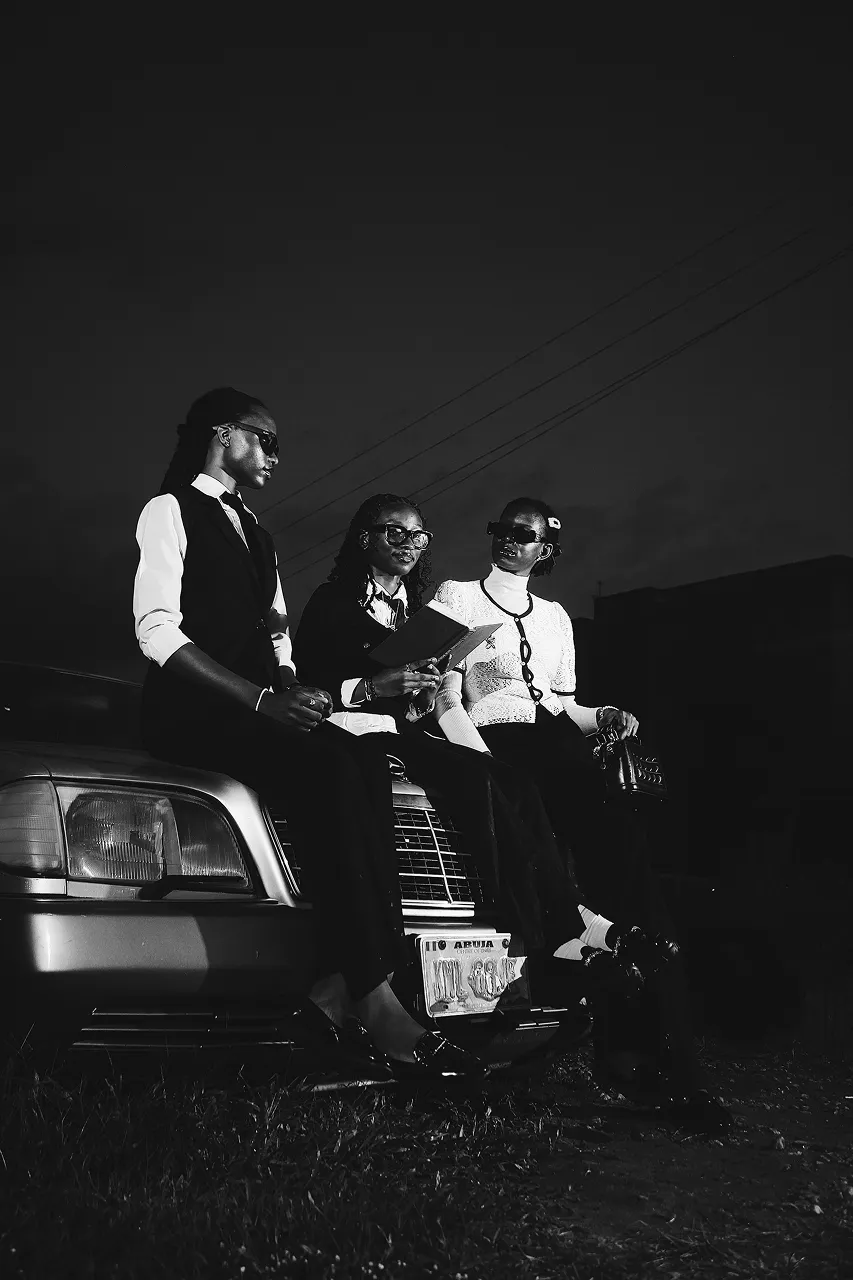
It's just like any normal day, rushing from a meeting to go and buy something at HEB before my next meeting starts. It's just a normal day where I park my car, lock the door, and walk into the store. Nothing's different, nothing wrong, just a normal day, until the light flickers once I reach the self-checkout line. The lights flicker for 10 seconds, and everyone stops. You could see the fear in their eyes. Will it be like it was in February 2022, with all the lights turned off? Will the air become so cold that my bones hurt? Will the floor become icy, so icy that my tires slide? We all stand in silence, afraid our next move would be our last. That's when it happens.
I'm transported back to that night, 5:55 a.m, a time that would haunt my nights for years to come. My sister sits up, I look up, and I ask her if she's okay. She turns, and then boom, she rolls off the bed, hitting her head on the edge of the wall. Then everything slows down, and there are echoes everywhere. My mom screams my sister's name, begging her not to die. My little brother looks at the window, afraid that even a crack means her soul has left her body, but my soul is stuck in place. Still, I can see myself moving. I'm holding onto her; she's looking at me, confused. Then my dad and my brother carry her down the stairs, my mom following behind. I'm in the car now. How did I get in the car? Is this my car? Whose keys are these? Now I'm driving, my mom in the back screaming for my sister to hold on, and I'm just driving in darkness and ice. I can't see anything. I've driven on this road for 20 years, but I can't see anything. I don't know where I'm going, but I keep going. I turn, and the car switches and shifts; I almost hit the corner of the bridge. I've been under this bridge before; I know this bridge. I took my driving test under this bridge, but I don't remember where to go. My body begins to move on its own and somehow ends up in the hospital, but not before I hear my mom scream something, and I realize my sister is having a seizure. I tell her to hold on or pry my sister's mouth open, to make sure she doesn't swallow her tongue. I park the car, and I’m now in the emergency lobby. I tried to speak, but it feels like barbed wires are on my neck and they're pulling and I can't breathe and I can't talk, but I hold on tight to whatever I'm wearing and I scream for someone to help my sister. That's when everyone runs out, and I see her being carried out of the car. The doctor's talking to me, but I can't hear anything. Am I speaking? Then I turn to the right, and I see my sister on a stretcher, and then the door closes. I don’t know it yet, but she’ll be in a coma for three weeks, clinging to life, and a moment she won’t remember once she wakes up.
I feel a tap on my shoulder; someone whispers, “You're next.” I jump.
Hey, you're next. The lines are moving; you can go to the next self-checkout. You're next. I pay for my lotion and noodles, and I walk out as if nothing happened, as if everything is normal. I walk into my car, and I drive as if nothing's happening, as if everything is normal. But is it really, because now, even as I drive, I can feel the barbed wires pulling, tightening on my neck, and I'm just driving; tears are falling, but I don't know why. I can't remember why I'm crying, but I keep driving. When I get home, I wash my hands, wipe my face, sit down in front of my desktop, turn on my camera, and start my meeting.
Time was lost, but it also made me realize how expendable our lives are/were to governmental officials we elected to protect us. Companies saw monetary value in my community's death, my neighbors' sufferings, and my family's pain. The people at the top were mocking us, saying, "We could make money out of all these dead people" when we were on the ground struggling. My brain was altered that day; my heart became as frozen as the air, and still, I had to keep my emotions in check because that's what I've been taught to do. How do I reconcile the deaths of neighbors, the loss of safety in my home, and the government's unwillingness to care about those I love? My sister was deteriorating, and all I could do was watch from a glass window, and these people are laughing, getting on planes for warmer weather, and not caring about the lives of those they were elected to serve.
The country has a responsibility that goes beyond simply offering reparations and an apology. There are existing policies that negatively impact our community and will continue to do so if not changed. It's important to engage with community leaders, organizers, and politicians to discuss the systemic changes needed. We must develop a plan of action that examines harmful policies, addresses environmental racism, tackles discrimination in schools and workplaces, and includes language that is often discriminatory and easily dismissed. The country has found loopholes designed to keep us marginalized or fearful of speaking out, so it is vital to address these issues as part of the repair process. This issue goes beyond just having Black individuals in decision-making spaces; we need allies who will advocate for our community. It’s essential that allies not only stand on the frontlines but also ensure that any amendments made do not further harm us now or in the future
They Made Me the Evidence
I did what Black girls are told to do.
Learn.
Work.
Earn the degrees.
Become so qualified they cannot deny you.
So, I earned four engineering degrees, including a Ph.D. I became a researcher. A professor. A Black feminist scholar using engineering and education to expose the systems that determine who gets welcomed, who gets wounded, and who gets pushed out.
I studied spirit-murdering.
I studied what happens when institutions chip away at Black women’s confidence, careers, health, and sense of belonging until we become fractions of ourselves.
Then the government made me evidence.
My postdoctoral position was funded through a grant created to support STEM education researchers doing social justice work in our respective fields. The work was intentional. Necessary. Community-centered. We were asking difficult questions about inequity and building knowledge that could make STEM education more just.
Then President Donald Trump signed executive orders targeting diversity, equity, and inclusion programs, positions, and funding.
A pen moved in Washington.
My livelihood disappeared.
I did not lose my job because I failed to perform. I lost it because the work I was hired to do became politically punishable. Years of study, publications, expertise, and service could not protect me from a government willing to erase equity work with the stroke of a pen.
And that is how contemporary harm often hides.
In budgets.
In canceled grants.
In positions quietly eliminated.
In Black scholars being told our work is valuable until the political climate decides our questions are too dangerous.
They did not only take a job.
They interrupted research meant to serve marginalized communities. They disrupted mentorship, partnerships, scholarship, income, stability, and the future I had spent years preparing to build.
How do you calculate that loss?
How do you repair a career redirected by political retaliation?
How do you repay the Black women who were invited into institutions to identify inequity, then discarded for naming it too clearly?
Repair requires more than restoring a grant. It requires documenting who lost employment, income, research, and opportunity. It requires compensation for disrupted careers and protections that prevent equity-centered scholarship from being erased whenever political power changes hands.
Reparations must address the harms happening in our lifetimes too.
I survived the loss. I redirected my gifts. I carried my knowledge somewhere else.
But survival is not repair.
My story belongs in this archive because I refuse to let them cancel the funding and bury the harm with it.
The Position Ended. The Loss Continued.
Losing my postdoctoral position disrupted the career I had spent years preparing to build. The fellowship gave me space to deepen my scholarship, publish research, develop collaborations, pursue future grants, and grow as a STEM education researcher committed to social justice. Once the funding disappeared, that momentum disappeared with it.
The loss followed me into my finances, my professional identity, and my trust in institutions. I had to reconsider plans I had already built, search for stability, and redirect years of specialized training. I also began carrying a new awareness: work centered on equity could be praised one year and politically targeted the next.
I eventually returned home to teach mathematics at my former high school. Serving my community holds deep meaning for me. That meaning exists alongside the reality that my transition came after a career interruption I did not choose. I still carry unfinished research, interrupted collaborations, lost income, and professional opportunities that may never return in the same form.
The effects extend beyond my own career. Equity-centered research creates knowledge that can improve educational systems, support marginalized students, and hold institutions accountable. When that work is defunded, communities lose research, mentorship, advocacy, and scholars trained to identify harmful patterns.
Today, the harm shows up through caution, mistrust, financial consequences, and the constant labor of rebuilding. My research has always examined the lingering effects of institutional harm. The incident may end on paper, while its consequences continue moving through a person’s body, choices, career, and community.
They canceled the funding.
I am still living with the cost.
Before the Celebration, Count the Cost
A nation preparing to celebrate 250 years should be willing to examine what made those years possible and who paid the price.
Black communities are still carrying receipts.
Receipts for stolen land, stolen labor, segregated schools, redlined neighborhoods, medical violence, environmental neglect, underfunded institutions, disrupted careers, and policies that continue to decide whose work deserves protection. My own receipt came through an executive order that helped dismantle the funding supporting my postdoctoral fellowship. A pen moved in Washington, and the career I had spent years building was interrupted.
Accountability begins with truth. The United States must name the systems, laws, institutions, and political decisions that created harm. The country must also document the damage still occurring through budgets, grant cancellations, hiring restrictions, school funding, housing access, health disparities, and attacks on work centered on equity.
Meaningful repair requires material action. Return land where possible. Restore funding. Compensate families and communities for wealth that was extracted or denied. Protect Black scholarship, history, cultural institutions, and community-led programs from political erasure. Invest in schools, health care, housing, environmental safety, business ownership, and research shaped by the people living with the consequences.
Repair also requires permanence. Black communities should not have to rebuild every time leadership changes. Our safety, education, employment, history, and opportunity cannot remain vulnerable to the preferences of whoever holds power.
The country has spent generations benefiting from Black labor, knowledge, creativity, sacrifice, and survival. Its responsibility now is to tell the full truth, repay what can be measured, restore what can be returned, and transform the systems that continue producing harm.
An anniversary should carry an audit.
Before America celebrates how long it has existed, it must answer for how Black communities have been forced to exist within it.
Dosha, hello,
I am submitting my poem, “Triage,” for your consideration.
This piece speaks to the experience of navigating medical systems as a Black and Native woman, where pain is often filtered through bias before it is treated as urgent or real. “Triage” explores the performance of composure, the negotiation of credibility, and the emotional and physical cost of needing care in spaces that require proof before compassion.
My name is Marique B. Moss (Miriguá Miásh). I am Afro-Indigenous, Hidatsa and African American, and an enrolled member of the Mandan, Hidatsa, and Arikara Nation, based in Minneapolis. As a chronically ill BIPOC woman, my work is shaped by lived experience within systems that often misunderstand or overlook our pain. I am the author of Sweetgrass and Soul Food: A Memoir in Poems, and the founder and co-owner of Mashkiki Studios, where I create culturally grounded workshops, curriculum, and community care initiatives. I prefer free verse and haiku to tell my stories. My work centers storytelling, identity, and the lived realities of Afro-Indigenous people.
Maacagíraac, thank you,
Marique B. Moss (Miriguá Miásh)
“Triage”
Before I leave
I fix my face.
Not because I am not in pain
but because pain
on a Black and Native woman
is read as threat
before it is read as symptom.
I brush my hair.
Lay the edges.
Choose clean sweats
no stains
no holes
nothing that says unstable.
Agony is allowed.
But only if it looks organized.
I rehearse my voice in the mirror.
Measured.
Polite.
No sharp edges.
No volume.
Well spoken enough
to be safe.
Not so articulate
that I sound difficult.
I swallow nausea
thick enough for triplets
stacked behind my ribs
and practice eye contact
that does not challenge
but does not cower.
I debate not going.
Because going means performing.
It means being “on”
while my brain is on fire.
While my skeleton feels seized
like the joints are locked
in a language I did not consent to.
It means making sure
my suffering does not look suspicious.
No sudden movements.
No visible frustration.
No folded arms.
No tears too loud.
Pain, but make it palatable.
I know the stereotype
waiting in the fluorescent hallway.
Angry.
Drug seeking.
Exaggerating.
Non compliant.
So I pack documentation
like armor.
Medication lists.
Diagnoses.
Proof that I have earned
the right to hurt.
I think about
how different this would feel
if my agony came wrapped
in blue eyes
blonde hair
and a pair of over seasoned Uggs.
Would the nurse lean closer?
Would the doctor nod sooner?
Would my fire be urgent
instead of negotiable?
I hate that this crosses my mind
while my body is unraveling.
I hate that I have to curate
my collapse.
As a Black and Native woman
I enter the emergency room
like a courtroom.
Evidence ready.
Tone moderated.
Hands visible.
I make myself small
enough to not alarm
but strong enough
to survive.
“On”
while everything inside me
is breaking formation.
They call my name.
I hand over my cards.
When I pull out my tribal insurance
heads tilt.
We thought you were Black.
Why do you have tribal insurance?
Do we even accept this?
Who are you?
The questions do not always land out loud
but they hover
between glances
between keyboards
between the pause
before someone decides
whether I make sense.
I remember the week
I came in three times.
Three visits.
No solutions.
No relief.
No referrals.
Just discharge papers
and the soft implication
that maybe it was me.
From that day on
before I was even seen
I was asked for a urine test.
Just in case.
Me.
The girl who is afraid
to take more than three Advil.
Who has only ever tasted
church wine on Sundays.
Good luck finding
what you are looking for.
They never did.
No evidence
of a frequent flyer.
No hidden habit.
No convenient explanation.
I was an anomaly in pain.
At the end of my rope.
And they chose to ignore
what they could not write off
in their SOAP notes.
I sign the clipboard
with steady handwriting
though my fingers tremble
like they are trying to tell the truth
faster than I am allowed to.
I am in agony.
But I am also composed.
But I am also polite.
But I am also grateful.
Because gratitude
is safer than rage.
I sit under the television
looping weather updates
and remind myself:
You deserve care
without performance.
You deserve relief
without comparison.
You deserve to be believed
without becoming
someone else’s comfort.
My body is on fire.
My joints are seizing.
My stomach is turning itself inside out.
And still
I fix my posture
before they call my name
What was lost was trust. Not only trust in institutions, but the expectation that care, opportunity, and dignity would be offered equally. Those losses continue to shape how many Black and Native people move through the world, carrying caution into places that should feel safe.
I see those effects in healthcare, education, and everyday interactions where I am often expected to explain or justify who I am before I am simply accepted. They also appear in the interruption of cultural knowledge and the barriers that still limit opportunities for future generations.
My response has been restoration. Through my writing, workshops, and community work, I help preserve and share Afro Indigenous stories, traditional knowledge, and spaces where people feel seen. I cannot change the past, but I can contribute to a future where our histories are valued, our identities are understood, and the next generation inherits more than the consequences of harm.
As the United States approaches its 250th anniversary, it has a responsibility to pursue truth and reconciliation. In a time when diversity, equity, and inclusion efforts are being dismantled, telling the truth about our history is more important than ever. Reconciliation requires honesty, accountability, and meaningful investment in Black communities through education, healthcare, economic opportunity, and the protection of civil rights. We cannot move forward by erasing history. We move forward by learning from it and committing to a more just future.
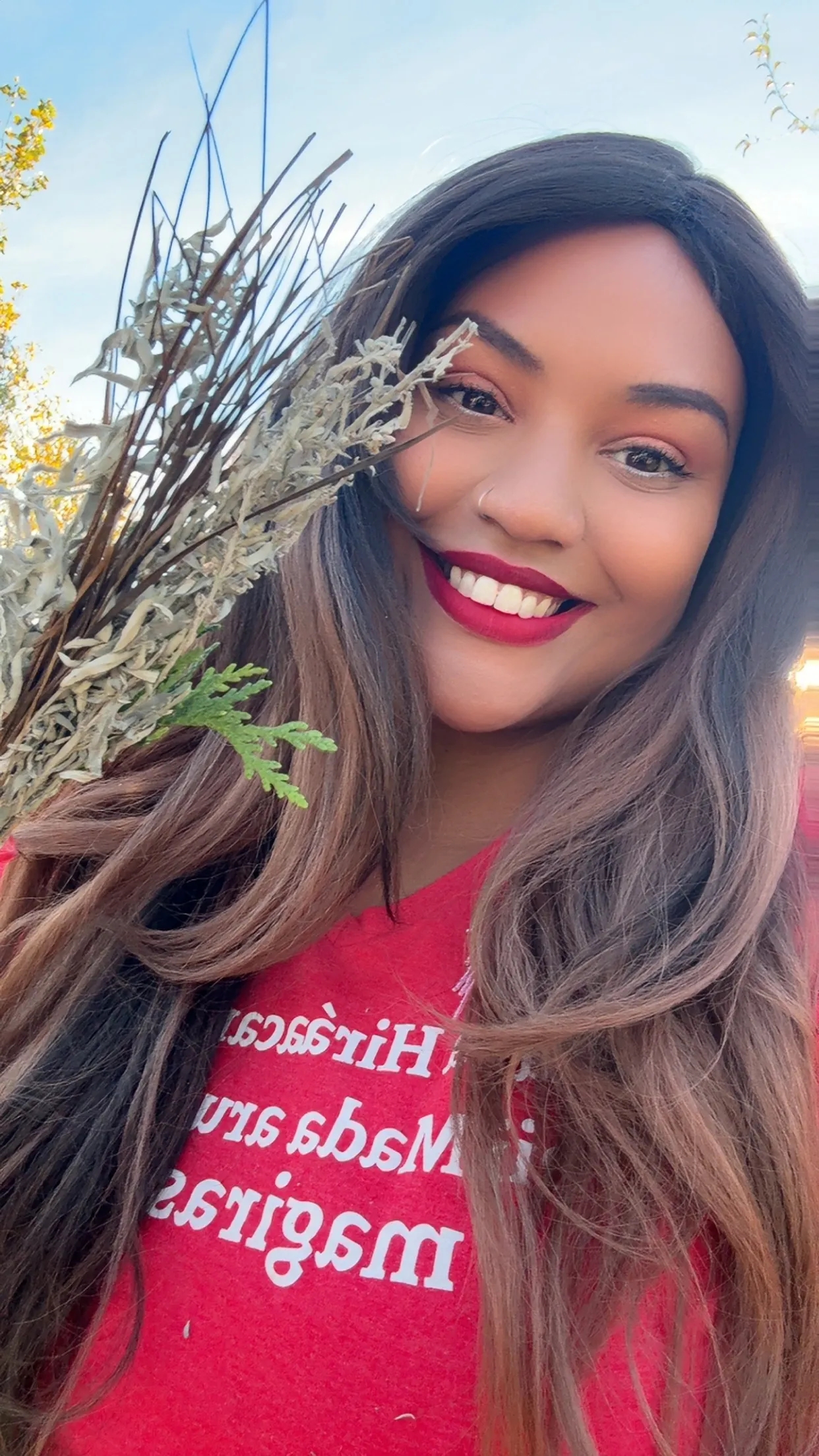
Dosha, hello,
I am submitting my poem, “Triage,” for your consideration.
This piece speaks to the experience of navigating medical systems as a Black and Native woman, where pain is often filtered through bias before it is treated as urgent or real. “Triage” explores the performance of composure, the negotiation of credibility, and the emotional and physical cost of needing care in spaces that require proof before compassion.
My name is Marique B. Moss (Miriguá Miásh). I am Afro-Indigenous, Hidatsa and African American, and an enrolled member of the Mandan, Hidatsa, and Arikara Nation, based in Minneapolis. As a chronically ill BIPOC woman, my work is shaped by lived experience within systems that often misunderstand or overlook our pain. I am the author of Sweetgrass and Soul Food: A Memoir in Poems, and the founder and co-owner of Mashkiki Studios, where I create culturally grounded workshops, curriculum, and community care initiatives. I prefer free verse and haiku to tell my stories. My work centers storytelling, identity, and the lived realities of Afro-Indigenous people.
Maacagíraac, thank you,
Marique B. Moss (Miriguá Miásh)
“Triage”
Before I leave
I fix my face.
Not because I am not in pain
but because pain
on a Black and Native woman
is read as threat
before it is read as symptom.
I brush my hair.
Lay the edges.
Choose clean sweats
no stains
no holes
nothing that says unstable.
Agony is allowed.
But only if it looks organized.
I rehearse my voice in the mirror.
Measured.
Polite.
No sharp edges.
No volume.
Well spoken enough
to be safe.
Not so articulate
that I sound difficult.
I swallow nausea
thick enough for triplets
stacked behind my ribs
and practice eye contact
that does not challenge
but does not cower.
I debate not going.
Because going means performing.
It means being “on”
while my brain is on fire.
While my skeleton feels seized
like the joints are locked
in a language I did not consent to.
It means making sure
my suffering does not look suspicious.
No sudden movements.
No visible frustration.
No folded arms.
No tears too loud.
Pain, but make it palatable.
I know the stereotype
waiting in the fluorescent hallway.
Angry.
Drug seeking.
Exaggerating.
Non compliant.
So I pack documentation
like armor.
Medication lists.
Diagnoses.
Proof that I have earned
the right to hurt.
I think about
how different this would feel
if my agony came wrapped
in blue eyes
blonde hair
and a pair of over seasoned Uggs.
Would the nurse lean closer?
Would the doctor nod sooner?
Would my fire be urgent
instead of negotiable?
I hate that this crosses my mind
while my body is unraveling.
I hate that I have to curate
my collapse.
As a Black and Native woman
I enter the emergency room
like a courtroom.
Evidence ready.
Tone moderated.
Hands visible.
I make myself small
enough to not alarm
but strong enough
to survive.
“On”
while everything inside me
is breaking formation.
They call my name.
I hand over my cards.
When I pull out my tribal insurance
heads tilt.
We thought you were Black.
Why do you have tribal insurance?
Do we even accept this?
Who are you?
The questions do not always land out loud
but they hover
between glances
between keyboards
between the pause
before someone decides
whether I make sense.
I remember the week
I came in three times.
Three visits.
No solutions.
No relief.
No referrals.
Just discharge papers
and the soft implication
that maybe it was me.
From that day on
before I was even seen
I was asked for a urine test.
Just in case.
Me.
The girl who is afraid
to take more than three Advil.
Who has only ever tasted
church wine on Sundays.
Good luck finding
what you are looking for.
They never did.
No evidence
of a frequent flyer.
No hidden habit.
No convenient explanation.
I was an anomaly in pain.
At the end of my rope.
And they chose to ignore
what they could not write off
in their SOAP notes.
I sign the clipboard
with steady handwriting
though my fingers tremble
like they are trying to tell the truth
faster than I am allowed to.
I am in agony.
But I am also composed.
But I am also polite.
But I am also grateful.
Because gratitude
is safer than rage.
I sit under the television
looping weather updates
and remind myself:
You deserve care
without performance.
You deserve relief
without comparison.
You deserve to be believed
without becoming
someone else’s comfort.
My body is on fire.
My joints are seizing.
My stomach is turning itself inside out.
And still
I fix my posture
before they call my name
Before many Black women walk into a doctor's office, the appointment has already begun.
It begins at home, rehearsing symptoms in the mirror so nothing important is forgotten. It begins with screenshots saved on our phones, notes typed into the Notes app, and questions written on folded pieces of paper tucked inside our purses. It begins with telling a sister, a mother, or a friend where we're going—just in case we need another voice in the room.
For generations, Black women have entered healthcare spaces carrying more than insurance cards and identification. We carry stories passed quietly between mothers and daughters about being ignored, dismissed, or told to wait. We carry memories of family members who should have received answers sooner and early mortality due to delayed diagnosis. We carry the unspoken understanding that if we don't advocate for ourselves, there could be dire consequences.
I didn't learn about the historical trauma experienced by Black communities within the healthcare system solely through textbooks or research. I learned it by listening to Black women share their experiences including stories of doctors who rushed through appointments, pain that was minimized, and symptoms that were too often dismissed or explained away. I had to learn that “bring someone with you”, “ask for a second opinion”, “write everything down”, etc. were not general healthcare tips but strategies to being heard.
Growing up, I learned what it felt like to enter a healthcare appointment with questions and concerns, only to feel like my body became the focus before my health did. Because I was overweight, conversations about my weight often came before conversations about why I was even there. Symptoms I wanted to address were dismissed through assumptions about my size. Instead of feeling heard, I often felt reduced to a number on a scale. Over time, I began to understand how deeply this experience shaped the way I approached healthcare. I learned to anticipate dismissal and to come equipped with questions because I did not want my concerns to be overlooked.
As a public health professional, I spend my days discussing health equity, preventive care, and healthcare quality. I know that Black patients are more likely to report feeling unheard during medical visits. I know that Black women continue to experience disproportionate maternal mortality, delayed diagnoses, and barriers to specialty care. I know that structural racism has shaped the healthcare system in ways that continue to influence outcomes today.
But numbers have never fully captured what Black women know. They don't measure the anxiety of wondering whether your symptoms will be believed and many don't measure the exhaustion of feeling like you must earn compassionate care. They don't measure how much emotional labor it takes to advocate for yourself while you're already sick.
Some people call Black women resilient, but I wonder how much of that resilience has simply been necessity.
Somewhere along the way, advocacy became another responsibility Black women quietly accepted. We became family members who researched medications, questioned providers, navigated insurance barriers, scheduled appointments, translated medical language, and reminded loved ones to get screened. We became caregivers and navigators because too often we see what happens when no one asked one more question. I think back to the loss of my father and wish I could have been there to ask just “one more question” but advocacy should not be a prerequisite for receiving the highest standard of healthcare.
Repair would mean that Black patients no longer must prepare for the appointment before the appointment. Repair would mean trusting that our pain will be taken seriously the first time we describe it. Repair would mean not having to choose between being perceived as "difficult" and protecting our own health. Repair would mean healthcare providers recognizing that trust is not built in a single visit but acknowledging generations of harm and choosing to listen differently with cultural humility.
When I think about reparations, I don't think only about compensation. I am thinking about restoration. I think about a healthcare system where Black women can walk into an exam room carrying only themselves or supporting family members and not generations of caution. I want advocacy to become a choice instead of an inheritance.
That is the kind of repair I hope the next generation of Black patients will inherit.
The consequences are felt in delayed diagnoses, missed opportunities for prevention, and the emotional burden of having to advocate for care that should be accessible to everyone. Medical mistrust is not a lack of confidence in the healthcare system but a response shaped by lived experiences and historical harm.
Repair would mean creating a healthcare system where Black patients no longer have to prepare to defend their experiences before seeking care. It would mean that when we see providers, our pain will be taken seriously, our concerns will be addressed, and our voices will be valued. Meaningful repair would require restoration through a system of accountability, cultural humility, and a commitment to rebuilding trust.
Before many Black women walk into a doctor's office, the appointment has already begun.
It begins at home, rehearsing symptoms in the mirror so nothing important is forgotten. It begins with screenshots saved on our phones, notes typed into the Notes app, and questions written on folded pieces of paper tucked inside our purses. It begins with telling a sister, a mother, or a friend where we're going—just in case we need another voice in the room.
For generations, Black women have entered healthcare spaces carrying more than insurance cards and identification. We carry stories passed quietly between mothers and daughters about being ignored, dismissed, or told to wait. We carry memories of family members who should have received answers sooner and early mortality due to delayed diagnosis. We carry the unspoken understanding that if we don't advocate for ourselves, there could be dire consequences.
I didn't learn about the historical trauma experienced by Black communities within the healthcare system solely through textbooks or research. I learned it by listening to Black women share their experiences including stories of doctors who rushed through appointments, pain that was minimized, and symptoms that were too often dismissed or explained away. I had to learn that “bring someone with you”, “ask for a second opinion”, “write everything down”, etc. were not general healthcare tips but strategies to being heard.
Growing up, I learned what it felt like to enter a healthcare appointment with questions and concerns, only to feel like my body became the focus before my health did. Because I was overweight, conversations about my weight often came before conversations about why I was even there. Symptoms I wanted to address were dismissed through assumptions about my size. Instead of feeling heard, I often felt reduced to a number on a scale. Over time, I began to understand how deeply this experience shaped the way I approached healthcare. I learned to anticipate dismissal and to come equipped with questions because I did not want my concerns to be overlooked.
As a public health professional, I spend my days discussing health equity, preventive care, and healthcare quality. I know that Black patients are more likely to report feeling unheard during medical visits. I know that Black women continue to experience disproportionate maternal mortality, delayed diagnoses, and barriers to specialty care. I know that structural racism has shaped the healthcare system in ways that continue to influence outcomes today.
But numbers have never fully captured what Black women know. They don't measure the anxiety of wondering whether your symptoms will be believed and many don't measure the exhaustion of feeling like you must earn compassionate care. They don't measure how much emotional labor it takes to advocate for yourself while you're already sick.
Some people call Black women resilient, but I wonder how much of that resilience has simply been necessity.
Somewhere along the way, advocacy became another responsibility Black women quietly accepted. We became family members who researched medications, questioned providers, navigated insurance barriers, scheduled appointments, translated medical language, and reminded loved ones to get screened. We became caregivers and navigators because too often we see what happens when no one asked one more question. I think back to the loss of my father and wish I could have been there to ask just “one more question” but advocacy should not be a prerequisite for receiving the highest standard of healthcare.
Repair would mean that Black patients no longer must prepare for the appointment before the appointment. Repair would mean trusting that our pain will be taken seriously the first time we describe it. Repair would mean not having to choose between being perceived as "difficult" and protecting our own health. Repair would mean healthcare providers recognizing that trust is not built in a single visit but acknowledging generations of harm and choosing to listen differently with cultural humility.
When I think about reparations, I don't think only about compensation. I am thinking about restoration. I think about a healthcare system where Black women can walk into an exam room carrying only themselves or supporting family members and not generations of caution. I want advocacy to become a choice instead of an inheritance.
That is the kind of repair I hope the next generation of Black patients will inherit.
My cousin Kordé could have spent life in prison, if the judge hadn’t given him a second chance. He’s 17. He loves anime, tattoos, and video games. He also has schizophrenia, bipolar type, like me. He lacked the self-accountability and support I gained through years of experience with our disorder, and top notch medical resources through my connection with Swarthmore College. In August, Korde stabbed his stepfather in the head while experiencing hallucinations and delusions. The factors leading to the violence, from a Peace and Conflict Studies perspective, was a perfect storm for dysregulation and domestic abuse. The only advice I could muster for Kordé when he came home was to seek medication management, immediately. Experiencing this condition as a teenager of color is truly terrifying. Underlying this dilemma, is the loss of our Grandmother who 15 years ago was a healer and would certainly have something to say that would be helpful. She was a former Black Panther who could patch up gunshot wounds in the living room and grow hair down your back with tonics that stung your nose.
Patients and medical practitioners alike are yearning to understand the how, what, and why behind health disparities. As a researcher rooted in the history of liberation movements and wellness activism, my experiences inside the church as a youth minister, on the frontlines as an activist for Black survivors, and in the field as a crisis counselor on the 988 suicide hotline, I know stories, especially those of resistance and overcoming, can heal disease. It will take a special path to merge my passions of human history and medicine, but I must for my own survival and to save my cousin's life.
As a trauma survivor with a disability, I know firsthand the important role Black practitioners can make through medication management and psychotherapy. Black patients are acutely aware of the deficits in our mental healthcare system, and navigate it with extreme distrust and caution. I know from experience the burden that comes with reconciling the risk of racial trauma to receive treatment. From the authoritarian and carceral practices mental institutions still perpetuate, to the pharmacogenetic disadvantage of taking medicine from trials without Black patients in mind, it is no wonder that 25% of Black people seek mental health treatment when needed, compared to 40% of white people. Particularly, as it relates to medication management, I am in a unique position to educate and empower Black youth and families affected by mood and psychotic disorders. As a youth minister, I know the importance of spirituality on the biopsychosocial development of Black youth especially since historically they have been denied access to resources at mainstream institutions, and have survived by forming their own. A physician-social scientist who knows this can design research and treat patients with tremendous skill, yielding results that may seem impossible to explain or replicate through Western-centric models of psychiatric care. I’d like to live on the cutting edge of research on culturally sustaining care and boldly drive the direction of the field.
I know I’ll be a doctor. No matter what.
I’m 27. I was raped in college and graudated with a GPA below a 3.0. I’m on my fourth master’s after dropping out of the first three. I also can’t keep a job for the life of me.
Nothing will keep me from my dream. I am living proof that we are nations to be built, not citizens to be ruled. Currently, I am a researcher, artist, and Hot Metal Bridge Theatre Arts Fellow at the University of Pittsburgh. I use theatre and technology to turn pain into play and power for gifted, Neurodivergent African-American youth. My emerging research investigates the nexus of civic health and neuroaesthetics, entrepreneurship and tech: Defi, blockchain, and immersive technologies along with Afrofuturism, Hoodoo medicine, and lived experience with disability. My Fintech Master’s program at Wake Forest keeps me busy innovating ways to not have to work for the man.
This time last year, I was in a padded cell. Korde went to jail a month after I was released from 2 months of captivity.
I changed my reality when I learned self-pity and thinking small would protect me or my people.
My grandmother should be here. I consider her cancer murder by the state. The same state that sent her to Mississippi during the Detroit riots to raped by relatives. The one that wrote policies enabling the distribution of drugs, but criminalized, punished, and tempted the use of those same drugs.
I think she may have been bipolar. She would understand. If she hadn’t been taken from me at 50, we would have the training and stability that Korde and his fucked up parents would need. That’s a lot on one person, but you didn’t know Niecy.
You didn’t know what it was like to be a squatter living in an abandoned mansion, like Kings and Queens. She made everywhere feel like home. That must have been what the Panther Party loved about her and exploited her for. She was let down by the system and everyone around her.
Not me. I’m going to put an MD behind her name.
I will complete the cycle, and I won’t live in fear. As a disruptor, I know I’m not wanted. I know I am envied and hated. But, GOD. Oh GOD. He loves me when I hate Him. He shows me the way, whether I say thank you or not. We’ll be okay. Or maybe we won’t be. I’m indifferent at this point, because I know it’s all good. Even when its bad we can redeem and reinvent our selves.
With the right energy and choices anyone can change themselves. However our survival depends on our capacity to fast when your environment is trying to starve you.
We are this country, and we are not above it. And when we are this fragile and corruptible, it says a lot about the whole of the part. I just hope folks are smart enough to fight back, and love themselves enough to believe they are on the winning side. Blood, sweat, and breastmilk from our bodies drown the soil. They think they can suppress or control what's coming to them. Sada Baby said "Fuck a pandemic, Flint water been fucked up." and that's how I feel about it. If you have never been tested and failed, you won't know the kind of glory I have waiting for me.
My cousin Kordé could have spent life in prison, if the judge hadn’t given him a second chance. He’s 17. He loves anime, tattoos, and video games. He also has schizophrenia, bipolar type, like me. He lacked the self-accountability and support I gained through years of experience with our disorder, and top notch medical resources through my connection with Swarthmore College. In August, Korde stabbed his stepfather in the head while experiencing hallucinations and delusions. The factors leading to the violence, from a Peace and Conflict Studies perspective, was a perfect storm for dysregulation and domestic abuse. The only advice I could muster for Kordé when he came home was to seek medication management, immediately. Experiencing this condition as a teenager of color is truly terrifying. Underlying this dilemma, is the loss of our Grandmother who 15 years ago was a healer and would certainly have something to say that would be helpful. She was a former Black Panther who could patch up gunshot wounds in the living room and grow hair down your back with tonics that stung your nose.
Patients and medical practitioners alike are yearning to understand the how, what, and why behind health disparities. As a researcher rooted in the history of liberation movements and wellness activism, my experiences inside the church as a youth minister, on the frontlines as an activist for Black survivors, and in the field as a crisis counselor on the 988 suicide hotline, I know stories, especially those of resistance and overcoming, can heal disease. It will take a special path to merge my passions of human history and medicine, but I must for my own survival and to save my cousin's life.
As a trauma survivor with a disability, I know firsthand the important role Black practitioners can make through medication management and psychotherapy. Black patients are acutely aware of the deficits in our mental healthcare system, and navigate it with extreme distrust and caution. I know from experience the burden that comes with reconciling the risk of racial trauma to receive treatment. From the authoritarian and carceral practices mental institutions still perpetuate, to the pharmacogenetic disadvantage of taking medicine from trials without Black patients in mind, it is no wonder that 25% of Black people seek mental health treatment when needed, compared to 40% of white people. Particularly, as it relates to medication management, I am in a unique position to educate and empower Black youth and families affected by mood and psychotic disorders. As a youth minister, I know the importance of spirituality on the biopsychosocial development of Black youth especially since historically they have been denied access to resources at mainstream institutions, and have survived by forming their own. A physician-social scientist who knows this can design research and treat patients with tremendous skill, yielding results that may seem impossible to explain or replicate through Western-centric models of psychiatric care. I’d like to live on the cutting edge of research on culturally sustaining care and boldly drive the direction of the field.
I know I’ll be a doctor. No matter what.
I’m 27. I was raped in college and graudated with a GPA below a 3.0. I’m on my fourth master’s after dropping out of the first three. I also can’t keep a job for the life of me.
Nothing will keep me from my dream. I am living proof that we are nations to be built, not citizens to be ruled. Currently, I am a researcher, artist, and Hot Metal Bridge Theatre Arts Fellow at the University of Pittsburgh. I use theatre and technology to turn pain into play and power for gifted, Neurodivergent African-American youth. My emerging research investigates the nexus of civic health and neuroaesthetics, entrepreneurship and tech: Defi, blockchain, and immersive technologies along with Afrofuturism, Hoodoo medicine, and lived experience with disability. My Fintech Master’s program at Wake Forest keeps me busy innovating ways to not have to work for the man.
This time last year, I was in a padded cell. Korde went to jail a month after I was released from 2 months of captivity.
I changed my reality when I learned self-pity and thinking small would protect me or my people.
For much of my life, I believed harm was something that happened between individuals. As I grew older, I realized many of the hardships I experienced were connected to larger systems that shape the lives of countless Black women and children in America.
I grew up in foster care, an experience that taught me early what it feels like to lose stability, community, and the sense of belonging that every child deserves. Foster care provided safety at times, but it also left lasting questions about what happens after survival. Too often, the focus is on getting children through the system rather than repairing what led them there or supporting them long after they leave.
As an adult, I survived domestic violence and eventually made the difficult decision to leave with my infant son. Leaving was not the end of the story. It meant rebuilding nearly every part of my life from the beginning while trying to create stability for my child. Safety came with new challenges, including housing insecurity, financial hardship, and rebuilding a career while parenting alone.
What stands out to me is how often people celebrate survival without investing in repair. We ask survivors to be resilient while expecting them to navigate housing, employment, childcare, healthcare, and financial recovery largely on their own. The harm may end, but its consequences often continue for years.
Writing became the way I processed those experiences. I published my first poetry collection while living in a homeless shelter with my son. I did not write because I had everything figured out. I wrote because storytelling helped me make sense of what had happened and because I wanted to leave behind evidence that surviving is only one part of the journey. Rebuilding deserves just as much attention.
When I think about reparations, I think beyond financial compensation. I think about repair. Repair means restoring opportunities that were interrupted. It means ensuring children who experience instability have consistent support into adulthood. It means making it possible for survivors to rebuild without remaining trapped by circumstances beyond their control. It means recognizing that accountability includes creating systems that help people recover instead of simply expecting them to overcome.
My story is only one story, but it reflects experiences shared by many Black women whose lives have been shaped by generational inequality, family disruption, housing instability, and violence. I hope this reflection contributes to a larger archive that preserves not only what harmed us, but also what genuine repair could look like for future generations.
What was lost wasn’t only safety. It was stability, time, financial security, and the ability to move through life without constantly rebuilding. Growing up in foster care interrupted a sense of permanence that many children take for granted. Later, surviving domestic violence meant starting over again as an adult while raising my son. Each experience required rebuilding relationships, housing, finances, and a career from the ground up.
Those losses continue to shape everyday life. Financial recovery takes years after crisis. Opportunities are often delayed because so much energy is spent meeting immediate needs instead of building long-term security. Trust can also become more complicated, not only in personal relationships but in institutions that are meant to provide support. Even when help exists, navigating multiple systems can feel overwhelming and uncertain.
I think one of the greatest losses is time. Years spent surviving are years that cannot be invested in education, career growth, creative work, or simply living without fear. That lost time often affects the next generation as well, because children experience the consequences of instability alongside their parents.
At the same time, these experiences have shaped the way I write and the work I hope to contribute. They have given me a deeper understanding of resilience, but resilience should never be mistaken for repair. People should not have to become extraordinarily resilient simply to access ordinary opportunities. True repair means creating conditions where future generations spend less time surviving and more time building stable, fulfilling lives.
As the United States approaches its 250th anniversary, I believe one of its greatest responsibilities is to acknowledge that the effects of historical and present-day harm do not disappear simply because time has passed. The consequences of slavery, segregation, discriminatory housing policies, unequal education, family separation, and violence continue to shape opportunities available to many Black communities today. Repair begins with recognizing that these harms have lasting effects across generations.
Meaningful repair requires more than remembering history. It requires creating pathways that make stability possible. That includes investing in affordable housing, education, mental health services, healthcare, entrepreneurship, and creative opportunities that allow individuals and families to build lasting security. It also means strengthening support for children in foster care, survivors of violence, and communities that have historically experienced disinvestment.
Repair also requires trust. Communities are more likely to engage with institutions when they feel respected, heard, and treated fairly. Accountability means listening to lived experiences and allowing those experiences to help shape policies and programs rather than assuming one solution fits everyone.
As a writer, I believe storytelling is part of that process. Stories preserve history, challenge assumptions, and remind us that statistics represent real people and real lives. They help us understand not only what happened, but what remains unresolved.
The country’s 250th anniversary should not only celebrate how far the nation has come. It should also invite an honest examination of where repair is still needed and what future we want to leave for the next generation. Progress is measured not only by what we achieve, but by whose lives become more stable, more hopeful, and more possible because we chose to address harms that were left unresolved for too long
For much of my life, I believed harm was something that happened between individuals. As I grew older, I realized many of the hardships I experienced were connected to larger systems that shape the lives of countless Black women and children in America.
I grew up in foster care, an experience that taught me early what it feels like to lose stability, community, and the sense of belonging that every child deserves. Foster care provided safety at times, but it also left lasting questions about what happens after survival. Too often, the focus is on getting children through the system rather than repairing what led them there or supporting them long after they leave.
As an adult, I survived domestic violence and eventually made the difficult decision to leave with my infant son. Leaving was not the end of the story. It meant rebuilding nearly every part of my life from the beginning while trying to create stability for my child. Safety came with new challenges, including housing insecurity, financial hardship, and rebuilding a career while parenting alone.
What stands out to me is how often people celebrate survival without investing in repair. We ask survivors to be resilient while expecting them to navigate housing, employment, childcare, healthcare, and financial recovery largely on their own. The harm may end, but its consequences often continue for years.
Writing became the way I processed those experiences. I published my first poetry collection while living in a homeless shelter with my son. I did not write because I had everything figured out. I wrote because storytelling helped me make sense of what had happened and because I wanted to leave behind evidence that surviving is only one part of the journey. Rebuilding deserves just as much attention.
When I think about reparations, I think beyond financial compensation. I think about repair. Repair means restoring opportunities that were interrupted. It means ensuring children who experience instability have consistent support into adulthood. It means making it possible for survivors to rebuild without remaining trapped by circumstances beyond their control. It means recognizing that accountability includes creating systems that help people recover instead of simply expecting them to overcome.
My story is only one story, but it reflects experiences shared by many Black women whose lives have been shaped by generational inequality, family disruption, housing instability, and violence. I hope this reflection contributes to a larger archive that preserves not only what harmed us, but also what genuine repair could look like for future generations.
"You will be incarcerated to Delaware County Prison for 36 days." That was the last thing I remember hearing before I went on the run. I ran to the city of Chester, in Pennsylvania, where I got addicted to drugs and alcohol. This tragedy lasted for about 12 years through this I missed out on my children's lives. The shame and embarrassment I felt kept me away longer than I should have been. By the time I got myself together they were grown men with children of their own. My mother got diagnosed with Cancer and I thought to myself, "What good would I be to my mother like this?"
So I decided to clean myself up; I been clean and sober for 17 years. (Never relapsed), which I am very proud of. I received a degree in addiction counseling. I have helped others with addiction and I have become a productive member of society. My mother passed away in 2021 and I am glad that I turned out to be someone she could be proud of and someone she could count on in her final days. I want everyone to know that no matter what you go through you can change and grow and always remember we all have a purpose in life and greatness lives in us all. I just wanted to share this little tidbit with all of you....thanks for allowing me to share.
The main thing that was lost and regained was the dignity and respect as a strong black woman. Being treated less than nothing by society as whole can rip deep into your soul. Hearing constant down talking can tear through you until you start to believe yourself. Rebuilding self-respect and regained self-confidence are stepping stones to knowing your own greatness.
The poverty, crime and drugs the plague black communities need to addressed. Society tends to view helping black communities as a hand out instead of a hand up.
"You will be incarcerated to Delaware County Prison for 36 days." That was the last thing I remember hearing before I went on the run. I ran to the city of Chester, in Pennsylvania, where I got addicted to drugs and alcohol. This tragedy lasted for about 12 years through this I missed out on my children's lives. The shame and embarrassment I felt kept me away longer than I should have been. By the time I got myself together they were grown men with children of their own. My mother got diagnosed with Cancer and I thought to myself, "What good would I be to my mother like this?"
So I decided to clean myself up; I been clean and sober for 17 years. (Never relapsed), which I am very proud of. I received a degree in addiction counseling. I have helped others with addiction and I have become a productive member of society. My mother passed away in 2021 and I am glad that I turned out to be someone she could be proud of and someone she could count on in her final days. I want everyone to know that no matter what you go through you can change and grow and always remember we all have a purpose in life and greatness lives in us all. I just wanted to share this little tidbit with all of you....thanks for allowing me to share.
On Bodies, Belief, and the Contingencies We Inherit
I was sixteen when the tumors were found. Ovarian cancer does not announce itself gently in a child's body, and neither does the silence that follows a Black girl's diagnosis in a healthcare system that was never built with her survival in mind. By the time a doctor took the symptoms seriously enough to look further, my body had already been carrying the tumors long enough to teach me something about how long Black girls are expected to endure before anyone investigates. I lived, and that is not a small thing. But living came with a question I would spend the next two decades answering through my work: what does it mean to survive a system that was not designed to notice you until you are already in crisis?
I was raised as a preacher’s kid in the AME church, a denomination born itself out of refusal. Richard Allen left St. George's because the terms of belonging offered to him were conditional, and he understood that a seat you can be pulled from mid-prayer was never really a seat. That history lived in my bones before I ever studied behavior analysis formally. The AME church taught me that community can be both a sanctuary and an exile that it can hold you through chemotherapy while simultaneously damming you to hell. Being a Black lesbian has meant learning to read two sets of contingencies at once; The first: survive illness, survive a healthcare system that under-treats Black women's pain, survive statistics that were never written with people like me in mind. The second: survive belonging, learn which parts of yourself are met with warmth and which parts require editing before you walk through the sanctuary doors.
Many years after cancer survival, I began my work at a behavioral scientist and have since become a Doctor of Behavioral Health. Anti-Blackness, Internalized-Anti Blackness, White Supremacy Culture, Reparations, Accountability, Repair; These are foundational principles of my professional and personal work. Behavior analytically speaking, these are expressions of reinforcement history, punishment history, conditioning, extinction. What has a family, a church, a country, been conditioned and reinforced to do, and what would it take to build a different contingency? Reparations conversations in this country often stall because people confuse an apology with a behavior change. An apology is a verbal operant. Repair requires a change in the contingencies that produced the harm in the first place, sustained over time, verified by outcome, not by intention. White supremacy and internalized anti-Blackness show up as a regurgitation of what whiteness has taught us, what I refer to as, The Palatability Trap (Williams, 2026). I did not have language for the palatability trap when I was young, that pressure to make yourself digestible enough for mirages of love, safety, and treatment to keep flowing. I only knew the shape of it against my skin, in the pauses before certain questions, in the topics that were reinforced with silence rather than rupture, like my ovarian cancer tumor.
My own body carries an unresolved harm that predates me, the well-documented pattern of Black women's symptoms being dismissed until disease is advanced. That is not a family story so much as it is an ancestral one, written onto my ovaries before I had words for any of it. My survival only means I lived long enough to name it. What I know now, as a behavioral scientist and as a woman shaped by illness, faith, deconstruction, and desire, is that repair is not a single event, as reparations will never be a single act. It is a schedule of reinforcement sustained long enough to become trustworthy. My family loved me through cancer while my Black community still struggles to fully love me within my becoming. My church raised me on liberation theology and still has work to do on who that liberation includes. My country extracted labor, land, and health from people who look like me and calls the ledger closed before the interest has even been calculated. I come to this work as someone whose body and belonging have both been sites of unfinished accounting. What I ask my community for is the same thing I ask for in the behavioral treatments that I prescribe my patients: a measurable, behavior-based, sustained change in what gets reinforced and punished next. It whispers, so listen.
What was interrupted first was trust, the assumption that my body's pain would be believed before it became an emergency. That interruption did not end when the tumor was removed. It became a template. I learned early that I would need to advocate twice as hard, document twice as thoroughly, and present twice as composed to be taken seriously by any institution meant to protect me, medical or spiritual. That lesson showed up in how I practiced as a clinician. I overprepared. I over documented. I built redundancy into every clinical case because I learned as a teenager that the system will not catch me, so I learned to build my own net.
What was denied was an uncomplicated childhood relationship to my own body. Illness at sixteen meant I did not get the luxury of assuming my body was safe or trustworthy. That denial followed me into adulthood as a persistent vigilance around health, a low simmer of institutional mistrust that I must actively manage every time I sit in a waiting room, be it mine or with a patient. What was made more difficult was belonging without masking. The AME church gave me faith, music, language, and a moral framework I still carry. While I still identify as culturally Christian, the AME church also taught me that love could be conditional on legibility, that being a preacher's kid meant performing a version of holiness that had no room for who I actually loved. That conditional belonging shows up now in how carefully I still scan rooms, professional and personal, for which parts of myself are safe to bring forward and which parts require translation or omission. I built an entire academic framework, the Palatability Trap, because I needed language for something I had been surviving since adolescence.
These effects also show up generationally. The pattern of Black women's pain being dismissed until it becomes catastrophic is documented and repeating, not anecdotal. Every young Black girl who is told her pain is exaggeration, growing pains, or drama is inheriting the same delayed-response system that nearly cost me my life. Every Black queer person raised in the Black church is inheriting the same conditional welcome I was taught to accept as normal. The harm is not historical in the way people want reparations conversations to be historical, distant, closed, and settled. It is active. It is still being reinforced in exam rooms and sanctuaries today. My work exists because I refuse to let it go unmeasured any longer.
At 250 years, a country earns credit for its behavior, measured against its own stated values, and nothing else. Behavior analytically speaking, the United States has a long reinforcement history of verbal commitments that rarely translate into contingency change. Emancipation, reconstruction, civil rights legislation, each functioned as a terminal event when it should have marked the beginning of a sustained behavior change program. Apologies, monuments, and designated months are single response classes. The actual contingencies producing harm remain largely untouched underneath them. Meaningful repair requires the same standard I hold myself to in clinical practice: a measurable, sustained, and verified change in outcome.
This country owes Black communities data-driven accountability across the systems that have shown consistent, documented disparities for generations: healthcare, education, housing, and wealth transfer. My own body is one data point in a much larger pattern, a Black woman whose symptoms went uninvestigated until disease had already progressed. That reflects a system variable, and system variables require systemic intervention. The country's responsibility is to close the gaps that currently require Black people to be resilient enough to survive them.
Meaningful repair requires direct financial reparations targeted at the specific mechanisms of harm: land theft, redlining, medical neglect, and labor extraction. It requires healthcare systems held accountable through outcome-based metrics measuring how quickly Black patients' symptoms are investigated and believed. Cultural competency trainings function as a verbal operant with no behavior change attached unless outcomes are tracked and enforced. It requires churches and faith communities, my own included, to reckon honestly with how liberation theology gets applied selectively, embracing racial liberation while restricting full belonging to Black LGBTQ people. Repair operates as a schedule of reinforcement, sustained long enough across generations to become trustworthy rather than performative.
At 250 years, this country can admit, without defensiveness, that its ledger remains open. It can return what is returnable, fund what stays under-resourced, and protect what stays vulnerable: Black maternal health, Black educational access, Black community land and wealth. It can build a future where a sixteen year old Black girl's pain gets investigated before it becomes a tumor, where a Black lesbian raised in the church keeps her faith and her full self intact, where survival stops being the ceiling of what her country and her community offer her. Anything short of that is an apology without a contingency change, and apologies alone reinforce nothing.
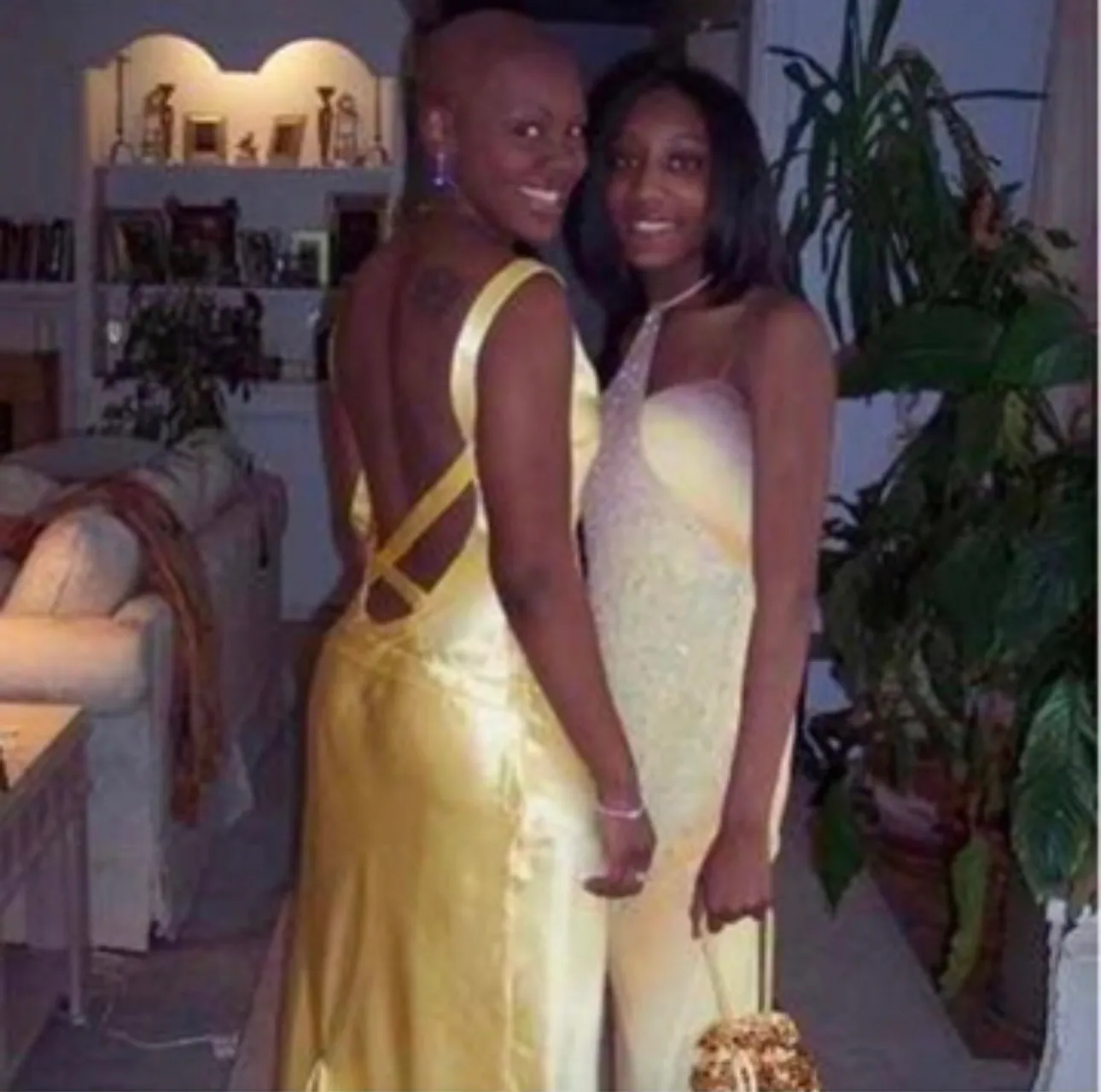
On Bodies, Belief, and the Contingencies We Inherit
I was sixteen when the tumors were found. Ovarian cancer does not announce itself gently in a child's body, and neither does the silence that follows a Black girl's diagnosis in a healthcare system that was never built with her survival in mind. By the time a doctor took the symptoms seriously enough to look further, my body had already been carrying the tumors long enough to teach me something about how long Black girls are expected to endure before anyone investigates. I lived, and that is not a small thing. But living came with a question I would spend the next two decades answering through my work: what does it mean to survive a system that was not designed to notice you until you are already in crisis?
I was raised as a preacher’s kid in the AME church, a denomination born itself out of refusal. Richard Allen left St. George's because the terms of belonging offered to him were conditional, and he understood that a seat you can be pulled from mid-prayer was never really a seat. That history lived in my bones before I ever studied behavior analysis formally. The AME church taught me that community can be both a sanctuary and an exile that it can hold you through chemotherapy while simultaneously damming you to hell. Being a Black lesbian has meant learning to read two sets of contingencies at once; The first: survive illness, survive a healthcare system that under-treats Black women's pain, survive statistics that were never written with people like me in mind. The second: survive belonging, learn which parts of yourself are met with warmth and which parts require editing before you walk through the sanctuary doors.
Many years after cancer survival, I began my work at a behavioral scientist and have since become a Doctor of Behavioral Health. Anti-Blackness, Internalized-Anti Blackness, White Supremacy Culture, Reparations, Accountability, Repair; These are foundational principles of my professional and personal work. Behavior analytically speaking, these are expressions of reinforcement history, punishment history, conditioning, extinction. What has a family, a church, a country, been conditioned and reinforced to do, and what would it take to build a different contingency? Reparations conversations in this country often stall because people confuse an apology with a behavior change. An apology is a verbal operant. Repair requires a change in the contingencies that produced the harm in the first place, sustained over time, verified by outcome, not by intention. White supremacy and internalized anti-Blackness show up as a regurgitation of what whiteness has taught us, what I refer to as, The Palatability Trap (Williams, 2026). I did not have language for the palatability trap when I was young, that pressure to make yourself digestible enough for mirages of love, safety, and treatment to keep flowing. I only knew the shape of it against my skin, in the pauses before certain questions, in the topics that were reinforced with silence rather than rupture, like my ovarian cancer tumor.
My own body carries an unresolved harm that predates me, the well-documented pattern of Black women's symptoms being dismissed until disease is advanced. That is not a family story so much as it is an ancestral one, written onto my ovaries before I had words for any of it. My survival only means I lived long enough to name it. What I know now, as a behavioral scientist and as a woman shaped by illness, faith, deconstruction, and desire, is that repair is not a single event, as reparations will never be a single act. It is a schedule of reinforcement sustained long enough to become trustworthy. My family loved me through cancer while my Black community still struggles to fully love me within my becoming. My church raised me on liberation theology and still has work to do on who that liberation includes. My country extracted labor, land, and health from people who look like me and calls the ledger closed before the interest has even been calculated. I come to this work as someone whose body and belonging have both been sites of unfinished accounting. What I ask my community for is the same thing I ask for in the behavioral treatments that I prescribe my patients: a measurable, behavior-based, sustained change in what gets reinforced and punished next. It whispers, so listen.
Rage \| An American Football Story
I am asking for a miracle. The court calls it “Not Guilty by Reason of Insanity.”
As his mother, I remember the day my world stopped.
I have never felt this immobile before. It is as if I have been buried beneath emotions too heavy to name. Every part of the life I had carefully built unraveled in the span of a single year and burned in a single day.
Whenever someone asked who I was, I always answered the same way:
“I’m a mom.”
Not my degrees. Not the nonprofit I built. Not the awards or the recognition.
I am a mom.
That identity has always been the truest thing about me.
I imagine there are countless Black mothers who know this feeling. Women who cry into pillows no one sees. Women who wake in the middle of the night hoping, for just a second, that it was all a nightmare before remembering this is now their reality.
How do you accept a life that no longer resembles the one you spent decades building?
I have spent my entire life fighting against the odds. I became a Black teenage mother in a society that had already decided who I would become. I earned my education through an unconventional path while raising children and supporting my husband through years of military service. I survived racism, sexism, financial hardship, and every stereotype placed in front of me. Against every prediction, I built a life centered on justice, community, and hope.
Then mental illness quietly began stealing my Black son who was a star football player. Who in many ways was used by the college for his body but sacrificed by them as well. The college football system cared nothing about his mental health as long as he scored points or blocked a touchdown.
Long before the courts recognized his condition, I watched pieces of him disappear. Like so many Black families, we encountered systems that respond to psychiatric crises with law enforcement instead of care.
As I write this, I am sitting in an airport in Boston. Yesterday I boarded a plane because my work still mattered, because people were counting on me, because life does not stop when your heart breaks. I smiled through meetings. I answered questions. I carried myself with the strength people have come to expect from me.
But beneath that strength was a mother who wanted nothing more than to be with her son.
If I could trade places with him, I would.
That is the burden so many Black mothers carry. We are expected to survive unimaginable pain while continuing to serve everyone else. We become experts at functioning while grieving. Our resilience is celebrated, but the systems that require such resilience are rarely questioned.
People often ask what repair looks like.
For me, repair begins by acknowledging that my son’s story did not start with the day of his arrest. It began in a country where Black mental health is too often misunderstood, under-diagnosed, underfunded, and criminalized. It began with generations of policies that have made punishment more accessible than treatment and incarceration easier to access than healing. Justice is not simply correcting a verdict. Justice is building a society where families receive help before crisis becomes catastrophe.
Where Black mothers are not forced to navigate impossible choices between protecting their children and surviving themselves. Where accountability means investing in mental health, not just expanding prisons.
I still introduce myself the same way.
“I am a mom.”
Today those words carry a different weight. They carry every jail visit, every court hearing, every sleepless night, every unanswered prayer, and every ounce of hope I refuse to surrender. Because even after everything this country has taken from my family, I remain what I have always been.
A Black mother….still fighting….still loving and still believing that healing and not punishment is what justice was always meant to be.
What was lost was far more than my son’s freedom. We lost time, peace, financial security, and the future we believed we were building together. Mental illness interrupted his life long before the legal system acknowledged it, yet the systems meant to protect him responded with punishment instead of care. As a Black family, we experienced what so many families before us have endured: the criminalization of pain instead of the treatment of illness.
This experience has made everything more difficult. Our family has spent more than $125,000 navigating legal proceedings, psychiatric evaluations, and medical care—resources many families simply do not have. I continue to lead my organization and serve my community while carrying the invisible weight of being a mother fighting for her son. Every accomplishment is accompanied by grief. Every plane I board, every speech I give, and every celebration is overshadowed by the knowledge that my child is not free.
The effects extend beyond our family. This experience has deepened my understanding of how generations of Black families have been denied equitable access to mental health care, compassion, and justice. It has reinforced how quickly Black suffering is interpreted as criminal rather than human.
What was interrupted was our sense of safety and certainty. What remains is a daily commitment to fight, not only for my son, but for a future where Black families receive healing before handcuffs, support before punishment, and dignity before judgment.
As the United States approaches its 250th anniversary, it has a responsibility to confront not only the harms of the past but the systems that continue to reproduce them today. For Black families, meaningful repair requires more than acknowledgment—it requires investment in equitable mental health care, community-based crisis response, educational opportunity, and a justice system that values healing over punishment. My son’s story is not an isolated tragedy; it reflects generations of policies that have criminalized Black pain while denying Black communities the resources to thrive. Repair means ensuring that no mother has to fight alone for the care her child should have received long before a courtroom became involved. It means recognizing that justice is not simply correcting a verdict but preventing harm in the first place. Our nation cannot celebrate 250 years of democracy while leaving generations of unresolved harm unaddressed. Only truth, accountability, and sustained action can move us toward genuine repair.
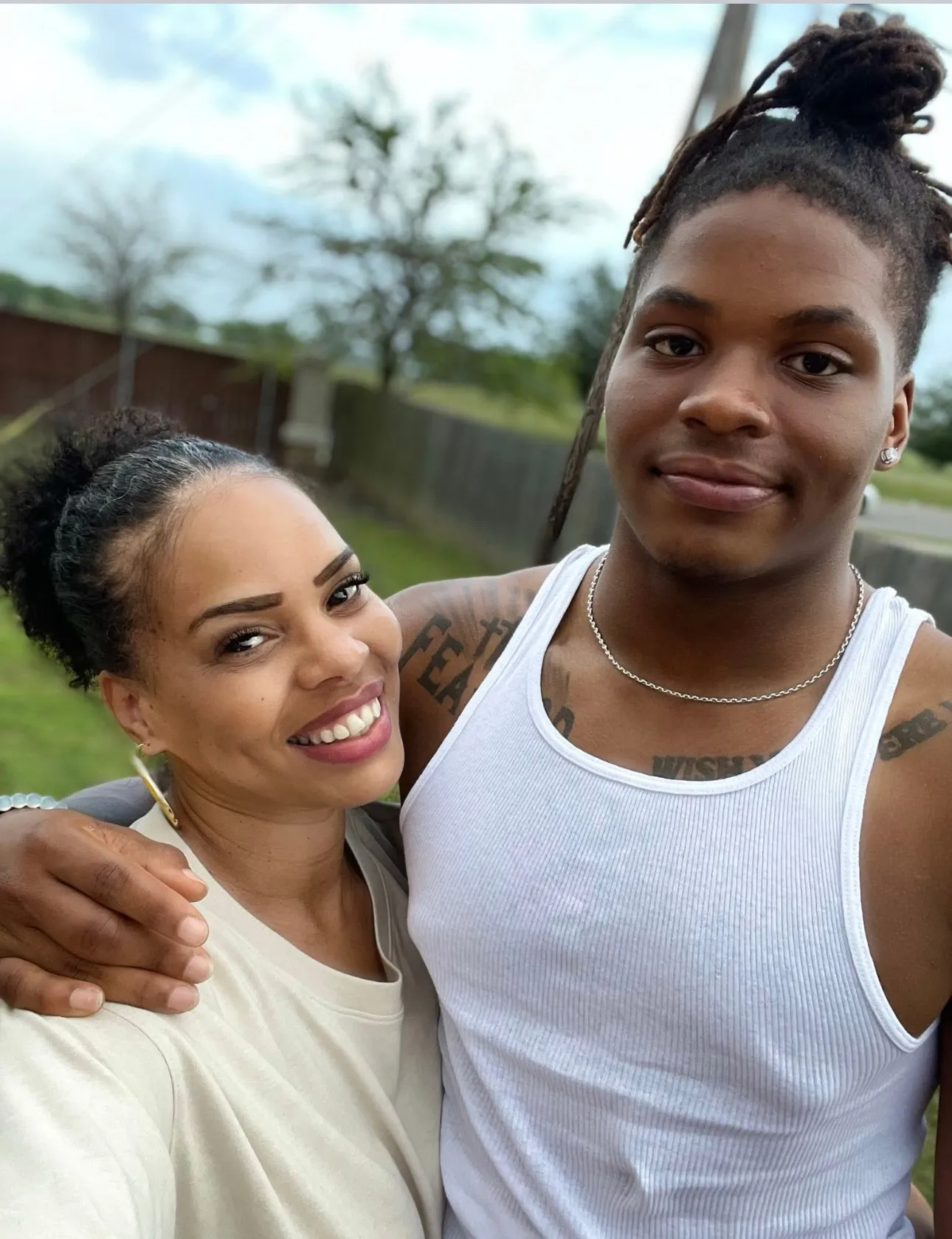
Rage \| An American Football Story
I am asking for a miracle. The court calls it “Not Guilty by Reason of Insanity.”
As his mother, I remember the day my world stopped.
I have never felt this immobile before. It is as if I have been buried beneath emotions too heavy to name. Every part of the life I had carefully built unraveled in the span of a single year and burned in a single day.
Whenever someone asked who I was, I always answered the same way:
“I’m a mom.”
Not my degrees. Not the nonprofit I built. Not the awards or the recognition.
I am a mom.
That identity has always been the truest thing about me.
I imagine there are countless Black mothers who know this feeling. Women who cry into pillows no one sees. Women who wake in the middle of the night hoping, for just a second, that it was all a nightmare before remembering this is now their reality.
How do you accept a life that no longer resembles the one you spent decades building?
I have spent my entire life fighting against the odds. I became a Black teenage mother in a society that had already decided who I would become. I earned my education through an unconventional path while raising children and supporting my husband through years of military service. I survived racism, sexism, financial hardship, and every stereotype placed in front of me. Against every prediction, I built a life centered on justice, community, and hope.
Then mental illness quietly began stealing my Black son who was a star football player. Who in many ways was used by the college for his body but sacrificed by them as well. The college football system cared nothing about his mental health as long as he scored points or blocked a touchdown.
Long before the courts recognized his condition, I watched pieces of him disappear. Like so many Black families, we encountered systems that respond to psychiatric crises with law enforcement instead of care.
As I write this, I am sitting in an airport in Boston. Yesterday I boarded a plane because my work still mattered, because people were counting on me, because life does not stop when your heart breaks. I smiled through meetings. I answered questions. I carried myself with the strength people have come to expect from me.
But beneath that strength was a mother who wanted nothing more than to be with her son.
If I could trade places with him, I would.
That is the burden so many Black mothers carry. We are expected to survive unimaginable pain while continuing to serve everyone else. We become experts at functioning while grieving. Our resilience is celebrated, but the systems that require such resilience are rarely questioned.
People often ask what repair looks like.
For me, repair begins by acknowledging that my son’s story did not start with the day of his arrest. It began in a country where Black mental health is too often misunderstood, under-diagnosed, underfunded, and criminalized. It began with generations of policies that have made punishment more accessible than treatment and incarceration easier to access than healing. Justice is not simply correcting a verdict. Justice is building a society where families receive help before crisis becomes catastrophe.
Where Black mothers are not forced to navigate impossible choices between protecting their children and surviving themselves. Where accountability means investing in mental health, not just expanding prisons.
I still introduce myself the same way.
“I am a mom.”
Today those words carry a different weight. They carry every jail visit, every court hearing, every sleepless night, every unanswered prayer, and every ounce of hope I refuse to surrender. Because even after everything this country has taken from my family, I remain what I have always been.
A Black mother….still fighting….still loving and still believing that healing and not punishment is what justice was always meant to be.
I have several stories of blatant and subtle racism, sexism and ageism applied to me and my loved ones. I can think of one where my parents went together through parts of Alabama for a college trip to protest for voting and civil rights. This was the mid 1980s. All people were legally or ideally protected over 30 years prior. But locally and within some states, there was no true protection. My mom had to wait twelve whole hours on the bus ride and during walks to use the bathroom. Nowhere along the route had a safe or Colored labeled restroom for the participants to use. Even stopping at the gas station briefly had some rushed and anxiety raising interactions between the driver and another customer. Unfortunately, this was all to be expected. There's so much hypocrisy and slow development in some of our southern parts and only some places have improved much in the last four decades. Now our protections are getting overturned before our eyes. What are we going to do about it?
My mom and the protesters' health, emotions, and safety were challenged every hour from Georgia to Alabama. The driver's safety and dignity was challenged for a moment and what was a small interaction could have gone more violent. I don't know all the details but I will ask my parents more about it soon.
After all the building and protecting we have provided, we get smacked at in the face, indebted and distrusted again and again. We have created many homes, farms, inventions and businesses here and many of my relatives and other Blacks have joined or supported the military. There is not enough consistent, true acknowledgement, gratitude or financial support applied for all our sacrifices.
I have several stories of blatant and subtle racism, sexism and ageism applied to me and my loved ones. I can think of one where my parents went together through parts of Alabama for a college trip to protest for voting and civil rights. This was the mid 1980s. All people were legally or ideally protected over 30 years prior. But locally and within some states, there was no true protection. My mom had to wait twelve whole hours on the bus ride and during walks to use the bathroom. Nowhere along the route had a safe or Colored labeled restroom for the participants to use. Even stopping at the gas station briefly had some rushed and anxiety raising interactions between the driver and another customer. Unfortunately, this was all to be expected. There's so much hypocrisy and slow development in some of our southern parts and only some places have improved much in the last four decades. Now our protections are getting overturned before our eyes. What are we going to do about it?
A Memory of Hough That Never Left Me
I was 15 years old when the Hough Riots erupted in my Cleveland neighborhood in 1966. At that age, I could not fully understand the political and economic conditions that led to the unrest. What I understood was fear, uncertainty, and the feeling that the community I knew was changing before my eyes.
I remember hearing the commotion, witnessing the tension, and seeing the impact on businesses and families in the neighborhood. The streets that had once felt familiar suddenly felt different. As a teenager, I watched adults struggle to make sense of what was happening while trying to protect their families and hold their community together.
As I grew older, I learned that the events in Hough were not simply a riot. They reflected years of frustration over unequal treatment, limited opportunities, poor housing conditions, discrimination, and a sense that the concerns of Black residents were not being heard. Understanding that history helped me see the connection between individual experiences and larger systems that affect entire communities.
What has stayed with me all these years is the realization that harm does not end when the headlines disappear. The physical damage can be repaired, but the emotional and economic consequences can remain for generations. Communities lose businesses, families lose opportunities, and young people inherit the effects of decisions they had no role in creating.
Growing up in that environment influenced how I viewed education, employment, and opportunity throughout my life. As a Black woman who later built a career in technology, education, and workforce development, I often thought about the barriers that communities face and how those barriers can limit future generations if they are not addressed.
When I think about repair, I think about investment in people, education, and economic opportunity. I think about ensuring that young people are not defined by the circumstances they inherit but are given the tools to create a different future. My experience in Hough taught me that communities are resilient, but resilience alone should not be the expectation. True repair requires acknowledgment, accountability, and a commitment to creating opportunities for future generations.
More than fifty years later, the memories of Hough remain with me—not only as a reminder of pain and unrest, but also as a reminder of the strength of the people who continued to persevere and build despite the challenges they faced.
I believe what was lost was more than buildings or businesses. What was lost was trust, opportunity, and the belief that our community mattered to those in positions of power.
As a 15-year-old living in the Hough neighborhood during the unrest, I witnessed a community already struggling with poverty, discrimination, and limited opportunities. After the riots, I saw how the physical damage became a visible symbol of deeper wounds that had existed long before the unrest began. Many families were left feeling forgotten, and economic opportunities that were already limited became even harder to find.
What was denied to many residents was equal access to housing, education, employment, and investment. Instead of receiving the support needed to help the community recover and grow, many people continued to face barriers that made it difficult to build wealth and create stability for future generations.
The effects continue to show up today. I have spent more than four decades working in technology and education, and I have often seen how access to opportunity is still not equal. Many Black communities continue to face challenges related to economic development, quality education, workforce preparation, and access to emerging technologies. While the tools have changed—from typewriters to computers and now artificial intelligence—the issue of equitable access remains.
The experience taught me that unresolved harm does not disappear with time. It can echo across generations through lost opportunities, underinvestment, and the feeling that certain communities are expected to overcome obstacles without receiving the same support available to others.
At the same time, I also learned the strength and resilience of Black communities. The people I knew in Hough continued to work, raise families, support one another, and strive for better futures despite the challenges they faced. That resilience has influenced my own life and my commitment to helping others gain access to education, technology, and AI opportunities.
To me, repair means creating pathways that allow future generations to thrive. It means investing in communities, expanding educational opportunities, and ensuring that young people have access to the tools and resources needed to succeed. True repair is not only about acknowledging past harm; it is about creating a future where those harms no longer determine a person's opportunities or potential.
As the United States approaches its 250th anniversary, I believe this country has a responsibility to do more than acknowledge the harms experienced by Black communities. It must also address the ways those harms continue to affect people's lives today.
Throughout my life, I have witnessed how unequal access to opportunity can shape generations. As a teenager, I experienced the unrest in Cleveland's Hough neighborhood and saw a community struggling with challenges that did not disappear when the headlines faded. Later, during more than four decades in technology and education, I saw many of those same patterns continue to emerge in different forms.
Most of my career has been dedicated to educating others. I have spent years helping people gain technology skills, earn certifications, and prepare for changing workplaces because I believe education creates opportunities. Yet I have also seen how Black communities are often among the first to feel the impact of economic disruptions, job losses, and reductions in programs that support vulnerable families.
Today, I see a similar challenge emerging with artificial intelligence. AI is transforming industries and changing the future of work. While it creates tremendous opportunities, it also threatens to widen existing gaps if access to training, education, and technology is not made available to everyone. I worry that many people in Black communities will once again find themselves disproportionately affected by job displacement and economic insecurity while lacking access to the resources needed to transition into new careers.
To me, meaningful repair is not only about looking backward. It is also about ensuring that future generations are not forced to carry the same burdens. Repair requires investment in education, workforce development, digital access, and economic opportunities. It means giving people the tools to participate fully in the emerging economy rather than leaving them behind as technology advances.
I believe that repair looks like preparing people for the future. It looks like ensuring that children, students, workers, and communities have access to the knowledge and skills needed to thrive in an AI-driven world. It means creating pathways to opportunity rather than simply expecting people to overcome barriers on their own.
My hope is that, as the nation reflects on its history, it will also commit to building a future where access to education, technology, and economic opportunity is available to all. Only then can we begin to address not only the harms of the past, but also the inequalities that continue to shape lives today.
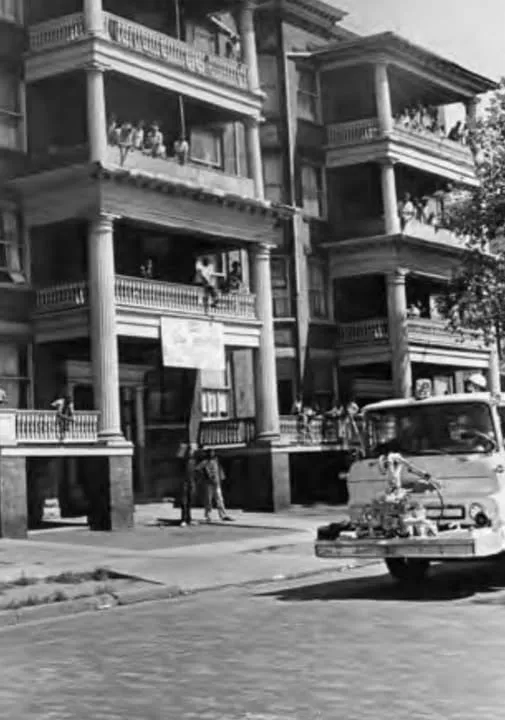
A Memory of Hough That Never Left Me
I was 15 years old when the Hough Riots erupted in my Cleveland neighborhood in 1966. At that age, I could not fully understand the political and economic conditions that led to the unrest. What I understood was fear, uncertainty, and the feeling that the community I knew was changing before my eyes.
I remember hearing the commotion, witnessing the tension, and seeing the impact on businesses and families in the neighborhood. The streets that had once felt familiar suddenly felt different. As a teenager, I watched adults struggle to make sense of what was happening while trying to protect their families and hold their community together.
As I grew older, I learned that the events in Hough were not simply a riot. They reflected years of frustration over unequal treatment, limited opportunities, poor housing conditions, discrimination, and a sense that the concerns of Black residents were not being heard. Understanding that history helped me see the connection between individual experiences and larger systems that affect entire communities.
What has stayed with me all these years is the realization that harm does not end when the headlines disappear. The physical damage can be repaired, but the emotional and economic consequences can remain for generations. Communities lose businesses, families lose opportunities, and young people inherit the effects of decisions they had no role in creating.
Growing up in that environment influenced how I viewed education, employment, and opportunity throughout my life. As a Black woman who later built a career in technology, education, and workforce development, I often thought about the barriers that communities face and how those barriers can limit future generations if they are not addressed.
When I think about repair, I think about investment in people, education, and economic opportunity. I think about ensuring that young people are not defined by the circumstances they inherit but are given the tools to create a different future. My experience in Hough taught me that communities are resilient, but resilience alone should not be the expectation. True repair requires acknowledgment, accountability, and a commitment to creating opportunities for future generations.
More than fifty years later, the memories of Hough remain with me—not only as a reminder of pain and unrest, but also as a reminder of the strength of the people who continued to persevere and build despite the challenges they faced.
When people hear that I was incarcerated, they often believe my story begins with my conviction. It doesn’t. My story began long before I was born, in generations of Black families forced to survive trauma, poverty, violence, and systems that often punished us instead of helping us heal.
In 2019, I was convicted of voluntary manslaughter after defending myself during a violent confrontation. I accepted responsibility for my actions, served 4½ years in a North Carolina prison, and returned home determined to rebuild my life. But I quickly learned that finishing a prison sentence does not mean the punishment is over.
The greatest harm I experienced was not incarceration itself. It was being separated from my children.
There is no way to explain the pain of missing birthdays, holidays, school events, and everyday moments that make up a childhood. While I was incarcerated, my children were also serving a sentence they never deserved. Family separation leaves wounds that do not disappear when a parent comes home.
When I returned to my community, I expected that if I worked hard, stayed out of trouble, and followed every rule, rebuilding my family would come naturally. Instead, I found a family reunification system that too often creates more barriers than opportunities. Parents are expected to heal from trauma while navigating housing challenges, employment discrimination, court requirements, and the lifelong stigma of a criminal record. The system often asks whether someone deserves another chance instead of asking what families need to succeed.
That experience changed my life.
I founded Bonding Families because I knew there were countless parents facing the same struggles. Through our work, I have helped formerly incarcerated mothers and fathers navigate child welfare cases, secure housing, obtain childcare, and reunite with their children. Every successful reunification reminds me that families are not broken because they have experienced incarceration. They are often struggling because they have been denied the resources needed to heal.
To me, reparations are about more than acknowledging history. They are about repairing the harm that continues today. Repair means investing in families instead of separating them. It means providing affordable housing, accessible mental health care, legal advocacy, employment opportunities, and support that allows parents to remain connected to their children. It means recognizing that children carry the effects of incarceration and family separation for years, sometimes generations.
As a Black woman, I have learned that accountability and repair can exist together. I have taken responsibility for my past, but I also believe our institutions must take responsibility for the ways they continue to fail Black families. We cannot heal communities while ignoring the systems that keep reopening old wounds.
Today, I use my voice to advocate for family reunification, criminal justice reform, and policies that give families a real opportunity to rebuild. My life is proof that people are more than the worst thing that has happened to them or the worst decision they have ever made.
As our nation reflects on 250 years of history, I hope we also recognize that the legacy of harm is not only found in history books. It is found in courtrooms, prisons, foster care systems, and families still fighting to be together.
Repair begins when we stop asking whether people deserve a second chance and start asking what justice requires for families to heal.
My story is one of many, but I share it because I believe healing becomes possible when we make visible the harms that have remained hidden in plain sight.
The greatest thing that was lost was time. Time with my children cannot be replaced. I missed birthdays, holidays, school events, and the everyday moments that build trust between a parent and child. Although I completed my prison sentence, my children and I are still healing from the years we were forced apart.
What was denied to my family was the opportunity to rebuild with support instead of barriers. After my release, I expected that if I worked hard and followed every rule, reunification would be possible. Instead, I found a system that often criminalizes parents rather than helping them heal. Housing, employment, transportation, legal representation, and childcare all became obstacles that made rebuilding my family much harder than it needed to be.
Those effects continue to show up today. I see them in the fear formerly incarcerated parents carry into every court hearing, in children who struggle to trust that their parents will stay, and in communities where families have become accustomed to separation instead of restoration. I also see the financial impact of incarceration, where one conviction can limit employment opportunities, housing options, and economic stability for years.
This experience changed the direction of my life. Instead of allowing it to define me, I founded Bonding Families to help other parents reunite with their children and navigate the same systems that I struggled through. Every family I help reminds me that the harm did not begin or end with incarceration. The afterlife of that harm continues through policies and practices that make it difficult for Black families to heal. Real repair means investing in families before, during, and after incarceration so future generations inherit hope instead of trauma.
As the United States approaches its 250th anniversary, I believe the country has a responsibility to do more than acknowledge the harms Black communities have endured. It must take meaningful action to repair the damage caused by centuries of slavery, segregation, discriminatory laws, mass incarceration, and policies that continue to separate Black families and limit opportunity.
For me, repair begins with telling the truth. The country must recognize that many of the inequities Black families experience today are not individual failures but the result of generations of unequal treatment. A true commitment to accountability means investing in the communities that have carried these burdens for centuries.
Meaningful repair would include affordable housing, quality education, accessible mental health care, economic opportunities, and support for families affected by incarceration. It means funding programs that keep families together instead of systems that separate them. It also means reforming the child welfare and criminal legal systems so that rehabilitation, restoration, and reunification are valued as much as punishment.
As someone who experienced incarceration and fought to reunite with my children, I know firsthand that healing requires more than a second chance. It requires resources, compassion, and policies that recognize the dignity of every family. I founded Bonding Families because I believe every parent deserves a fair opportunity to rebuild their life and reconnect with their children.
The measure of this country’s progress should not be how many people it imprisons but how many families it helps restore. If the United States truly wants to honor its 250th anniversary, it should leave the next generation with stronger families, safer communities, and systems rooted in justice instead of punishment. That is what meaningful repair looks like to me not simply remembering the past, but making different choices that ensure Black families no longer have to carry the same harms into the future.
When people hear that I was incarcerated, they often believe my story begins with my conviction. It doesn’t. My story began long before I was born, in generations of Black families forced to survive trauma, poverty, violence, and systems that often punished us instead of helping us heal.
In 2019, I was convicted of voluntary manslaughter after defending myself during a violent confrontation. I accepted responsibility for my actions, served 4½ years in a North Carolina prison, and returned home determined to rebuild my life. But I quickly learned that finishing a prison sentence does not mean the punishment is over.
The greatest harm I experienced was not incarceration itself. It was being separated from my children.
There is no way to explain the pain of missing birthdays, holidays, school events, and everyday moments that make up a childhood. While I was incarcerated, my children were also serving a sentence they never deserved. Family separation leaves wounds that do not disappear when a parent comes home.
When I returned to my community, I expected that if I worked hard, stayed out of trouble, and followed every rule, rebuilding my family would come naturally. Instead, I found a family reunification system that too often creates more barriers than opportunities. Parents are expected to heal from trauma while navigating housing challenges, employment discrimination, court requirements, and the lifelong stigma of a criminal record. The system often asks whether someone deserves another chance instead of asking what families need to succeed.
That experience changed my life.
I founded Bonding Families because I knew there were countless parents facing the same struggles. Through our work, I have helped formerly incarcerated mothers and fathers navigate child welfare cases, secure housing, obtain childcare, and reunite with their children. Every successful reunification reminds me that families are not broken because they have experienced incarceration. They are often struggling because they have been denied the resources needed to heal.
To me, reparations are about more than acknowledging history. They are about repairing the harm that continues today. Repair means investing in families instead of separating them. It means providing affordable housing, accessible mental health care, legal advocacy, employment opportunities, and support that allows parents to remain connected to their children. It means recognizing that children carry the effects of incarceration and family separation for years, sometimes generations.
As a Black woman, I have learned that accountability and repair can exist together. I have taken responsibility for my past, but I also believe our institutions must take responsibility for the ways they continue to fail Black families. We cannot heal communities while ignoring the systems that keep reopening old wounds.
Today, I use my voice to advocate for family reunification, criminal justice reform, and policies that give families a real opportunity to rebuild. My life is proof that people are more than the worst thing that has happened to them or the worst decision they have ever made.
As our nation reflects on 250 years of history, I hope we also recognize that the legacy of harm is not only found in history books. It is found in courtrooms, prisons, foster care systems, and families still fighting to be together.
Repair begins when we stop asking whether people deserve a second chance and start asking what justice requires for families to heal.
My story is one of many, but I share it because I believe healing becomes possible when we make visible the harms that have remained hidden in plain sight.
www.stateoflocnation.com has the full research. The court case DDC 1:24 cv 00479RC is also evidence of the injustice experienced as I documented the judge and clerks activity during the case.
The court didnt alert the press of the high profile case, my 2024 US Presidential campaign was silenced and my default judgement was not ordered. FBI chose not to reprimand the judge and many attempts for corrections went ignored.
I have the restitution. It is filed on my taxes. It is not up to the black community to start implementing next steps.
www.stateoflocnation.com has the full research. The court case DDC 1:24 cv 00479RC is also evidence of the injustice experienced as I documented the judge and clerks activity during the case.
I was sitting in the bus stop shelter outside of the hospital, fresh from running out of the doctors office, down three flights of stairs and out of the side door after being told, they couldn't find a heartbeat.
In this moment I was mostly mad that I had let my guard down. At 7 months pregnant with no complications I was in the space where nothing bad was supposed to happen, I mean maybe something that ended in early labor and two healthy people was what I decided. I came to this conclusion despite what every statistic told me. The ones that described my life experience and status as a death sentence for me or a baby or both. I let that guard down and was not prepared for the news, next steps, delivery, or anything that was to come.
I was sitting in the bus stop shelter crying. Crying uncontrollably.
Crying uncontrollably is something that I didn't truly understand until that day. As a child I thought I got it when people would say stop crying and I didn't, but this was different. I was really trying to pull it together. I was trying to figure out what I was supposed to do next. Who do I need to tell? And honestly I started thinking about how I could support other people through this moment. The top of the list was Austin. Ari's dad was not a fan of this experience and shared with me many times that it was natural and easy, "hardest part is the epidural" which is something I was not getting so it should be "pretty easy."
I was crying uncontrollably. Unable to catch my breath, my tears, my thoughts, as I sat in the bus shelter outside of the hospital.
I would visit the shelter again out of obligation. Readying myself to be the Black face in a grief group necessitated by my private insurance. It wasn’t for me and it wasn’t helping, it instead reminded me of all the ways healthcare systems harmed me, betrayed me, irritated me and lost Ari. Each time the day I found out Ari died rushed back to me and also I could remember the sun shining on my face as I sat in the shelter. I could remember the slight breeze. It was a beautiful day. I had on a sweater I don't know if I will ever throw away now. I called one of my good friends and my aunt. I didn't know what else to do. I didn't know what to say when I called them. I just shared the news. I also called my friend, co-worker, and doula because we had a meeting that afternoon and I was letting her know that I was coming but would be thinking a lot.
I went because it felt like what I needed to do. It felt like what moms do. That meeting was to seal a deal I had been working on for almost a year. I was prepared to go and needed to go to ensure that I was a mom that sealed deals. A mom that followed through. I made a decision in that bus shelter that I would never use Ari's death as an excuse not to make things happen. That's not who Ari was to me. She was motivation, she was a reason to get up and go, to work out, to drink two gallons of water instead of one, to plan way ahead, to figure it out, to make the world better at a faster pace. I can't sit on the sidelines in her memory, so I vowed to keep it moving.
That bus shelter was my cover to gather my thoughts for about thirty minutes before I needed to figure out how to go to the house that I was building for Ari and I to grow and love. I needed to control my crying and leave the bus shelter.
My life was interrupted, for years I thought my ability to physically survive a pregnancy was interrupted. I had spent decades fighting with the medical providers about my reproductive system. Being a Black girl with a uterus has always been dangerous and I have stories from doctors offices, urgent care, ER, and surgeries to remind me that Black aliveness is not a goal of the United States' medical system.
It would mean creating communities of care and funding them appropriately for Black birthing bodies to thrive.
I was sitting in the bus stop shelter outside of the hospital, fresh from running out of the doctors office, down three flights of stairs and out of the side door after being told, they couldn't find a heartbeat.
In this moment I was mostly mad that I had let my guard down. At 7 months pregnant with no complications I was in the space where nothing bad was supposed to happen, I mean maybe something that ended in early labor and two healthy people was what I decided. I came to this conclusion despite what every statistic told me. The ones that described my life experience and status as a death sentence for me or a baby or both. I let that guard down and was not prepared for the news, next steps, delivery, or anything that was to come.
I was sitting in the bus stop shelter crying. Crying uncontrollably.
Crying uncontrollably is something that I didn't truly understand until that day. As a child I thought I got it when people would say stop crying and I didn't, but this was different. I was really trying to pull it together. I was trying to figure out what I was supposed to do next. Who do I need to tell? And honestly I started thinking about how I could support other people through this moment. The top of the list was Austin. Ari's dad was not a fan of this experience and shared with me many times that it was natural and easy, "hardest part is the epidural" which is something I was not getting so it should be "pretty easy."
I was crying uncontrollably. Unable to catch my breath, my tears, my thoughts, as I sat in the bus shelter outside of the hospital.
I would visit the shelter again out of obligation. Readying myself to be the Black face in a grief group necessitated by my private insurance. It wasn’t for me and it wasn’t helping, it instead reminded me of all the ways healthcare systems harmed me, betrayed me, irritated me and lost Ari. Each time the day I found out Ari died rushed back to me and also I could remember the sun shining on my face as I sat in the shelter. I could remember the slight breeze. It was a beautiful day. I had on a sweater I don't know if I will ever throw away now. I called one of my good friends and my aunt. I didn't know what else to do. I didn't know what to say when I called them. I just shared the news. I also called my friend, co-worker, and doula because we had a meeting that afternoon and I was letting her know that I was coming but would be thinking a lot.
I went because it felt like what I needed to do. It felt like what moms do. That meeting was to seal a deal I had been working on for almost a year. I was prepared to go and needed to go to ensure that I was a mom that sealed deals. A mom that followed through. I made a decision in that bus shelter that I would never use Ari's death as an excuse not to make things happen. That's not who Ari was to me. She was motivation, she was a reason to get up and go, to work out, to drink two gallons of water instead of one, to plan way ahead, to figure it out, to make the world better at a faster pace. I can't sit on the sidelines in her memory, so I vowed to keep it moving.
That bus shelter was my cover to gather my thoughts for about thirty minutes before I needed to figure out how to go to the house that I was building for Ari and I to grow and love. I needed to control my crying and leave the bus shelter.
Delaware State University (HBCU), April 2, 2012, Trayvon Martin Campus Peace Walk. (In image, from left to right) A’sian Rochester, James Jones, Alyssa K. Cole. (Photo Taken By CK Photography AKA Visual Konceptz Media).

Delaware State University (HBCU), April 2, 2012, Trayvon Martin Campus Peace Walk. (In image, from left to right) A’sian Rochester, James Jones, Alyssa K. Cole. (Photo Taken By CK Photography AKA Visual Konceptz Media).
Delaware State coordinated a peace walk where students voluntarily wore hoodies symbolizing Martin’s last outfit and walked the yard chanting “No justice, no peace! and “What do we want? Justice. When do we want it? Now!”. This image symbolizes unity between Black Women and Men, how we come together to mourn the loss of our own while simultaneously maintaining strength to fight for justice, and how Historically Black Colleges and Universities continue to provide support and a safe space for black students to express themselves.
Though justice was not served in the untimely death of 17-year-old Trayvon Martin, his death would lead to one of the first large-scale protest movements captured on social media and would result in the founding of Black Lives Matter in 2013. While this country continues to try to break and divide black people, we show generation after generation that we are still standing, still fighting, and when nobody got us, we got us!
This image connects to unsolved harm, something not new in U.S. history, where a Black person can be deemed a threat and dangerous even though they are unarmed, simply for being Black. It's a reminder that racism is learned and, for some, ingrained, and as long as that continues and justice is not effectively served, we as Black people will need to continue to fight for what we deserve. We cannot become desensitized or comfortable because the reality is, we were viewed as objects, not humans, when brought to this country, and we have a ways to go to become equal, if ever possible.
This is a trailer to my short film that honors artistry through the lens of a young girl
This is a trailer to my short film that honors artistry through the lens of a young girl
I hope my audience can understand the impact a child can play in encouraging their parents to follow their passions.